
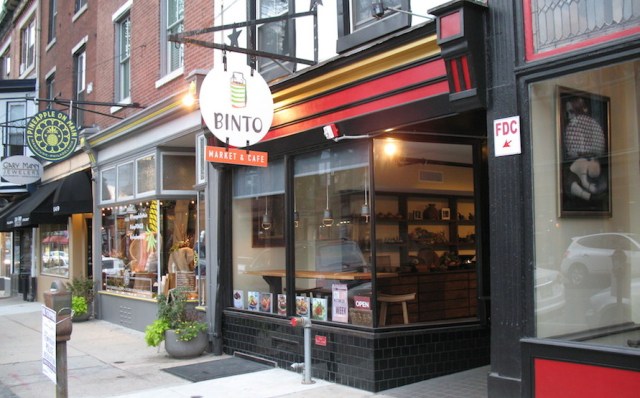
Binto Market & Cafe
Regular readers of this blog may be surprised to find that for the past 3 years, I have been living about as far away from any Asian market as can possibly be in Philadelphia. Perhaps that has helped force me to continue exploration of Philly’s (sometimes far-flung) neighborhoods. This has also meant finding the most efficient street networks to bike all over the city to reach our many markets. I’ve gotten pretty good at getting around the city. That said, my own neighborhoods (Germantown and later, Roxborough) remained about 3 miles to the nearest Asian market.
But no longer! Over the summer there have been a couple of nice developments that will will directly influence my quality of life going forward, including Asian grocery options in Germantown and Manayunk…


Chelten Market IGA International Food Market (176 Chelten Ave). The grocery store at the corner of Wayne and Chelten in Germantown used to be a Pathmark, and it used to be the closest store to us when we lived in Germantown—it had been a basic grocery store for mainstream American food choices and it wasn’t very interesting. Over the summer the store has changed into Chelten Market IGA. I can’t say that this is a full Asian or international market—in fact it largely maintains the look and stock of the prior Pathmark, and has kept many of the same staff and they even still have their corny announcements on the PA (which I do enjoy). What has changed is a slightly more expanded produce section with items like lemongrass, daikon, napa cabbage, and a few bok chois (though today lemongrass and daikon were quite old), and more importantly to the purposes of this blog, there is also “international” aisle that has an unusual mix of Asian items. There you can find several things that can’t be found in more mainstream US markets: Glutinous rice from Thailand, fish sauce, Mama brand instant noodles, basic staples for making Japanese and Korean foods. There is also a decent Caribbean section. It seems there is some effort to stock things for the local community, including the neighborhood’s growing Asian community (mostly students at Philadelphia University and Drexel University College of Medicine). The most impressive addition to the store is the freezer section, which contains a large selection of Korean and Chinese dumplings, mantou, mandu Chinese youtiao.


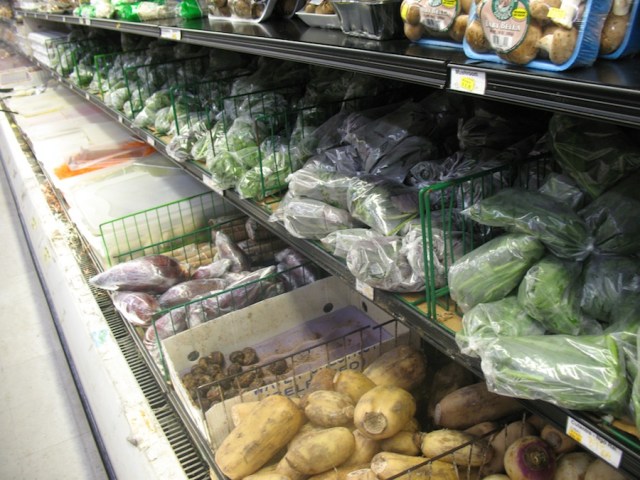
Binto Market & Cafe (part of Chabaa Thai Bistro’s expansion at 4345 Main Street in Manayunk). This newly established market (named after the stacked lunch box popular in Japan and Thailand–2 countries that fittingly reflect the specialty food items inside) has surprising and unusual mix of high-end Japanese, Chinese, Thai, and Vietnamese pantry staples and snacks. Even more surprising is the refrigerated section of rare and crucial Southeast Asian vegetables (they had 4 types of eggplant for example, as well as lotus stems, kaffir lime leaves, etc). The market is light on leafy greens, but is seems the fresh veg stock may be on rotation.


Prices are a little higher than Southeast Asian markets in South Philly, but you might expect that for a boutique market in Manayunk… Thai mortars and pestles line the shelves on the wall (which you can barely see in the above image), and are also for sale. They are also packing quick meals out of Chabaa’s kitchen, with daily specials that range from pho, to grilled chicken and papaya salad, to banh mi sandwiches. The clerks are Thai and speak Thai fluently. They let me custom order an Isaan-style papaya salad! For my purposes, this will be a valuable new option for stopping by to pick up a few things for a Thai meal on the way home from work.
 I’ll start by saying that I’m not one for sweet breakfasts. As regular readers will know (


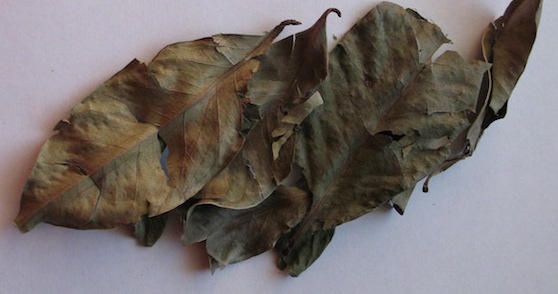
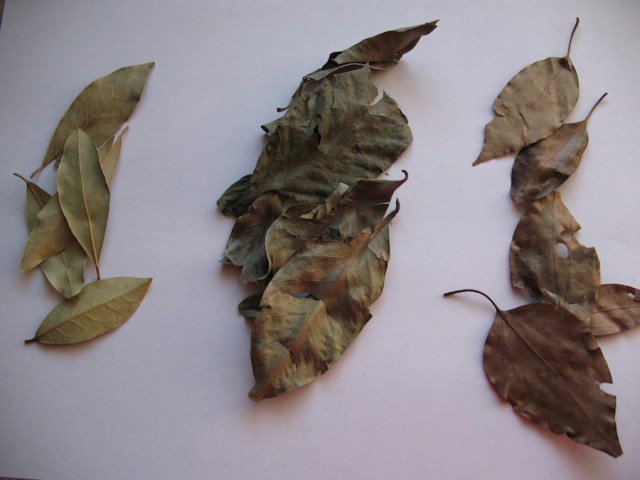
 I am back after a nearly four month hiatus. Although I didn’t report on them as they were happening, over these past several months I was fortunate enough to have many incredible food experiences in Mongolia, China, Thailand, and Indonesia–experiences that I will reflect upon as I post going forward this fall.
 English names for this tree vary: kassod, cassod, [Siamese] cassia. To keep things simple, I will refer to them by the Thai name, khiilek (pronounced “keelek”). The leaves and flowers of this tree taste a bit like cardamom, but the leaves should not be eaten raw due to a toxin that can damage the liver. If you have fresh leaves/flowers available, they should be boiled and squeezed of water 2 or 3 times before using in final cooking preparations.


 Just to review, mifen 米粉 are noodles made from rice flour and water, they are often fermented, and then extruded into foot-long segments.


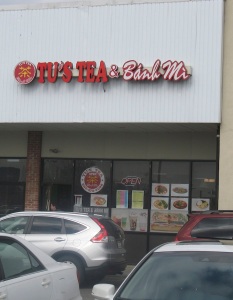
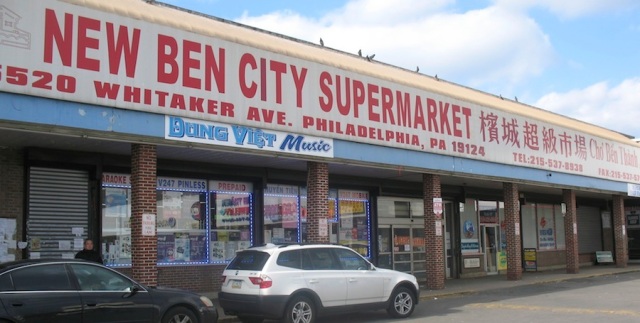 Regular readers will be familiar with the mission behind this blog… to showcase notable food finds from my exploration of markets of Philadelphia’s Asian diaspora communities. Since I moved to Philadelphia a few years ago I have spent a lot of time navigating such neighborhoods by foot, bicycle, and computer. I really was beginning to think that I had discovered all of the major food centers for Philadelphia’s Asian communities. It seems that is not the case! Today I found a huge plaza with a large and fascinating market, as well as a small collection of cafes and shops specializing in Vietnamese foods. I’d like to share that with you here.







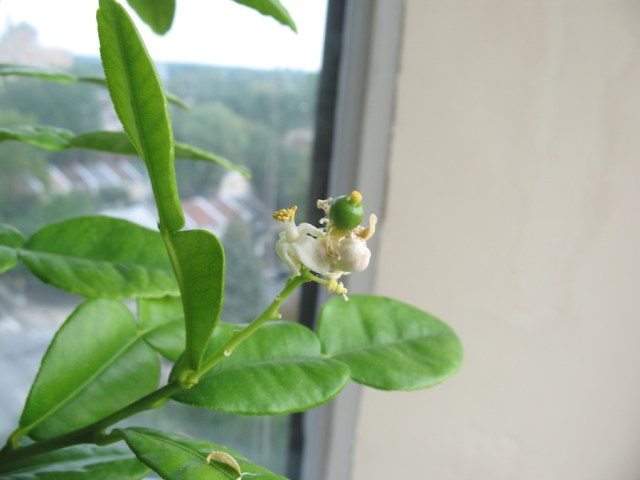


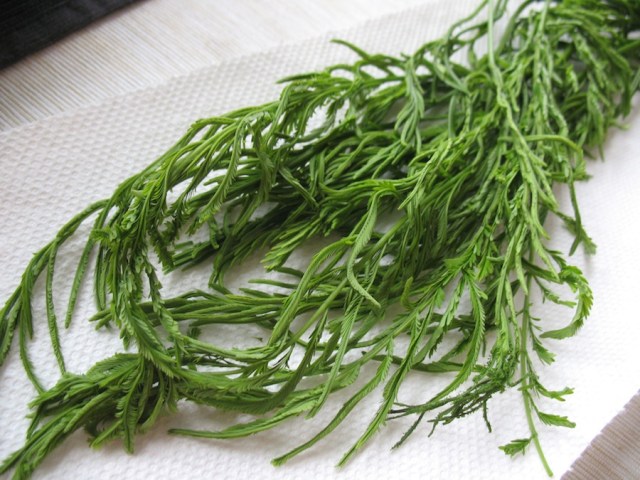
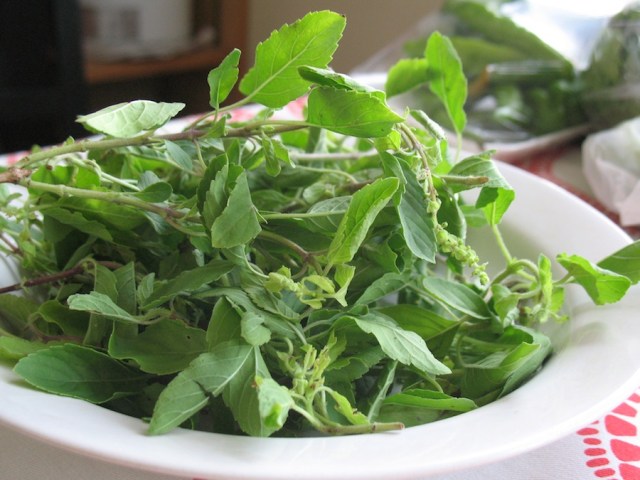


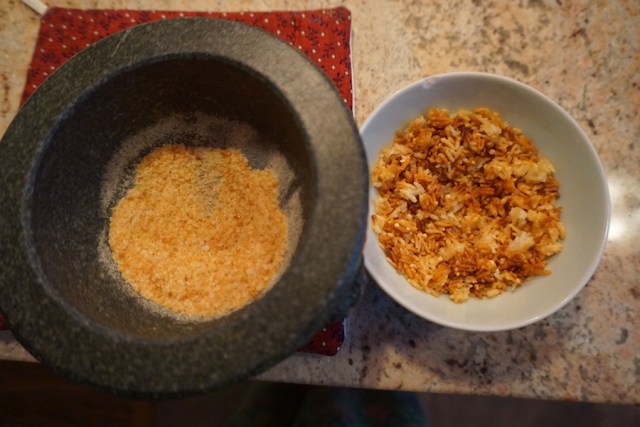


 In the States we don’t generally think about eating flowers, but flowers have long been culinary tradition in many parts of the world. Mainland Southeast Asia is particularly fond of including flowers in meals, whether they are used as a fried accompaniment to a pungent dip, or as a hearty addition to a soup or stew.


 Asian Markets of Philadelphia